
Phone restrictions are easy to announce and surprisingly hard to enforce. In schools, meeting rooms, performance venues, and private events, the challenge is rarely the policy itself. The real test is whether people can follow it without friction, staff can manage it without constant confrontation, and the experience still feels orderly, fair, and secure. That is where the difference between a weak phone ban and a workable one becomes clear.
A strong solution needs more than a rule on paper. It must reduce distraction, protect personal property, avoid bottlenecks, and preserve trust. Some methods do one or two of those things well, but few manage all of them at once. When comparing the main options available today, Safe Pouch emerges as a particularly effective balance of control, convenience, and dignity.
The Problem with Most Phone Ban Approaches
Organizations typically turn to phone bans for a handful of familiar reasons: reducing distraction, protecting privacy, improving attention, preserving confidential information, or helping people stay present. The aim may differ from one setting to another, but the operational problems are often the same. Staff need a method that is clear, quick, and hard to bypass. Participants need a process that does not feel chaotic or punitive.
Many phone policies fail because they rely too heavily on either trust alone or heavy-handed control. A strict rule with no practical system invites constant monitoring and repeated disputes. A more aggressive collection model may solve compliance on paper but introduce new concerns around property handling, delays, and liability. The best phone ban solutions are the ones that build compliance into the experience rather than forcing staff to police every moment.
- Consistency: everyone follows the same visible process.
- Speed: entry and exit remain manageable.
- Security: personal devices stay with their owners whenever possible.
- Credibility: the system feels fair and difficult to game.
- Low staff burden: enforcement does not depend on constant intervention.
How the Main Phone Ban Solutions Compare
There is no single method used everywhere, but most phone restriction systems fall into a few recognizable categories. Each has advantages, yet each also brings trade-offs that matter in real-world use.
| Solution | How it works | Strengths | Limitations |
|---|---|---|---|
| Honor-system policy | Users are instructed to keep phones away or switched off. | Low cost, simple to announce, no equipment needed. | Weak enforcement, uneven compliance, frequent staff intervention. |
| Centralized collection | Phones are gathered at entry and returned later. | Strong visible control, easy to understand. | Queues, handling risks, labeling issues, property concerns, slower exit. |
| Lockers or storage units | Users place devices in assigned compartments. | More structured than open collection, devices secured off-person. | Requires space, hardware, supervision, and time to manage. |
| Manual inspections | Staff check bags or monitor compliance throughout the event. | Can support strict environments. | Labor-intensive, intrusive, inconsistent over time. |
| Locking pouch system | Users keep phones on their person in sealed pouches until authorized unlocking. | Decentralized, secure, efficient, preserves possession while limiting access. | Requires planning, distribution, and clear unlocking procedures. |
The comparison makes one point especially clear: centralized systems often create new problems while solving the old one. Collecting phones may seem decisive, but it also shifts responsibility onto staff, creates crowding at transitions, and raises the emotional stakes if a device is misplaced or damaged. Honor-system rules have the opposite weakness. They are light-touch, but too easy to ignore.
That leaves locking pouch systems as one of the few models that combine real restriction with practical usability. Instead of separating people from their property, they separate the user from active access. That distinction matters more than it may appear at first glance.
Why Safe Pouch Stands Out
The core strength of Safe Pouch is its decentralized logic. Rather than collecting hundreds of devices into one controlled point, the system allows each person to retain possession of their own phone while removing the ability to use it during the restricted period. This changes the tone of enforcement immediately. Staff are not managing piles of personal property, and users are not wondering where their device has gone.
For organizations that want a practical decentralized phone ban, Safe Pouch offers a more balanced alternative to confiscation or constant monitoring. It addresses a basic operational truth: people are more likely to accept restrictions when the process feels orderly, visible, and respectful.
Safe Pouch also stands out because it reduces friction at the exact moments when other systems struggle. Entry can remain relatively smooth because staff are issuing or checking pouches rather than cataloging devices one by one. Exit is simpler as well, since users retrieve access to their own phones instead of waiting for a centralized return process. In environments where timing matters, that can be a decisive advantage.
Another important benefit is accountability. With centralized collection, the organization assumes a heavier burden around storage and handoff. With a pouch-based model, the device stays with its owner, which can ease concerns and make the overall system feel less adversarial. That matters in schools, corporate environments, and ticketed venues where trust is part of the experience.
Win Elements positions Safe Pouch® as a phone ban solution that works not because it is harsh, but because it is operationally sound. That distinction is important. Effective restriction is rarely about severity alone. It is about designing a process that people can move through without confusion, resistance, or constant exception handling.
Where Safe Pouch Works Best
No phone ban system is universal, but Safe Pouch is especially well suited to settings where attention, privacy, or atmosphere matter, and where a centralized collection desk would create more problems than it solves.
- Schools and educational settings: Teachers and administrators need a method that reduces distraction without turning every lesson into a disciplinary negotiation. A pouch system supports a clear rule while avoiding the complications of collecting and returning dozens of phones each day.
- Live entertainment and performances: Venues often want audiences fully present and artists protected from unauthorized recording. A visible, controlled phone pouch system helps support the experience without creating a hostile arrival process.
- Corporate meetings and confidential sessions: When privacy matters, simply asking attendees to silence devices may not be enough. Restricting access more concretely can support confidentiality while still allowing participants to keep possession of their belongings.
- Private events and special gatherings: Some occasions call for discretion, fewer interruptions, or a more focused atmosphere. A decentralized pouch method can reinforce those expectations cleanly.
What these settings share is the need for compliance without disruption. Safe Pouch is at its best where an organization wants to be firm but not clumsy, clear but not overbearing.
How to Choose the Right Phone Ban Solution
Before selecting any phone restriction system, it helps to evaluate the setting through a practical lens. The strongest choice is not always the strictest one. It is the one most likely to be followed consistently.
- Define the purpose clearly. Are you reducing distraction, protecting confidentiality, preventing recording, or improving audience engagement? The purpose should shape the method.
- Map the traffic flow. Consider entry, monitoring, emergency access, and exit. Many systems fail because transitions become too slow or confusing.
- Consider property handling risk. If staff must physically collect and store phones, responsibilities increase quickly. A decentralized option can reduce that burden.
- Assess staffing realities. A method that requires constant supervision may look viable in planning and fail in practice.
- Think about user acceptance. People respond better to procedures that are visible, fair, and easy to understand.
A useful checklist is simple: if the system creates queues, arguments, storage headaches, or constant exceptions, it is probably not the right long-term fit. A better solution should make enforcement feel almost built in. That is the real appeal of Safe Pouch. It supports the rule structurally instead of relying on repeated confrontation.
It is also worth noting that the best phone ban systems do not need to be theatrical to be effective. They need to be credible. When people can see that the process is consistent and that the rules apply evenly, compliance tends to improve. Safe Pouch helps create that sense of procedural fairness while keeping the experience manageable for staff and participants alike.
Conclusion
Comparing phone ban solutions reveals a simple pattern. Loose policies are easy to ignore, while centralized collection systems often create avoidable friction. The most effective methods strike a middle path: clear restriction, minimal disruption, and a process that respects both operational realities and personal property.
That is why Safe Pouch stands out. Its decentralized structure makes it more practical than confiscation, more credible than an honor system, and more user-friendly than many storage-based alternatives. For schools, venues, organizations, and event operators that need a phone ban to work in the real world, Safe Pouch offers a disciplined solution that feels modern, efficient, and genuinely usable. In a category where enforcement often creates as many problems as it solves, that is a meaningful advantage.
——————-
Article posted by: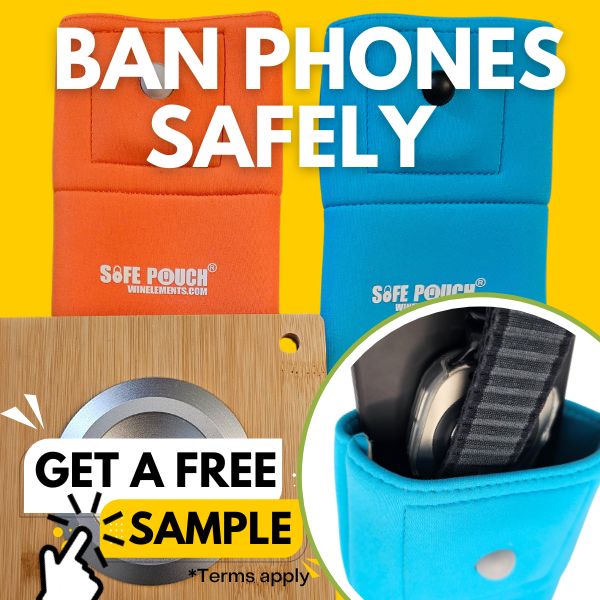
Win Elements | Lockable Phone Pouch
https://www.winelements.com/
Patented lockable phone pouches with multi-tiered lockers for phone locking pouches.
